
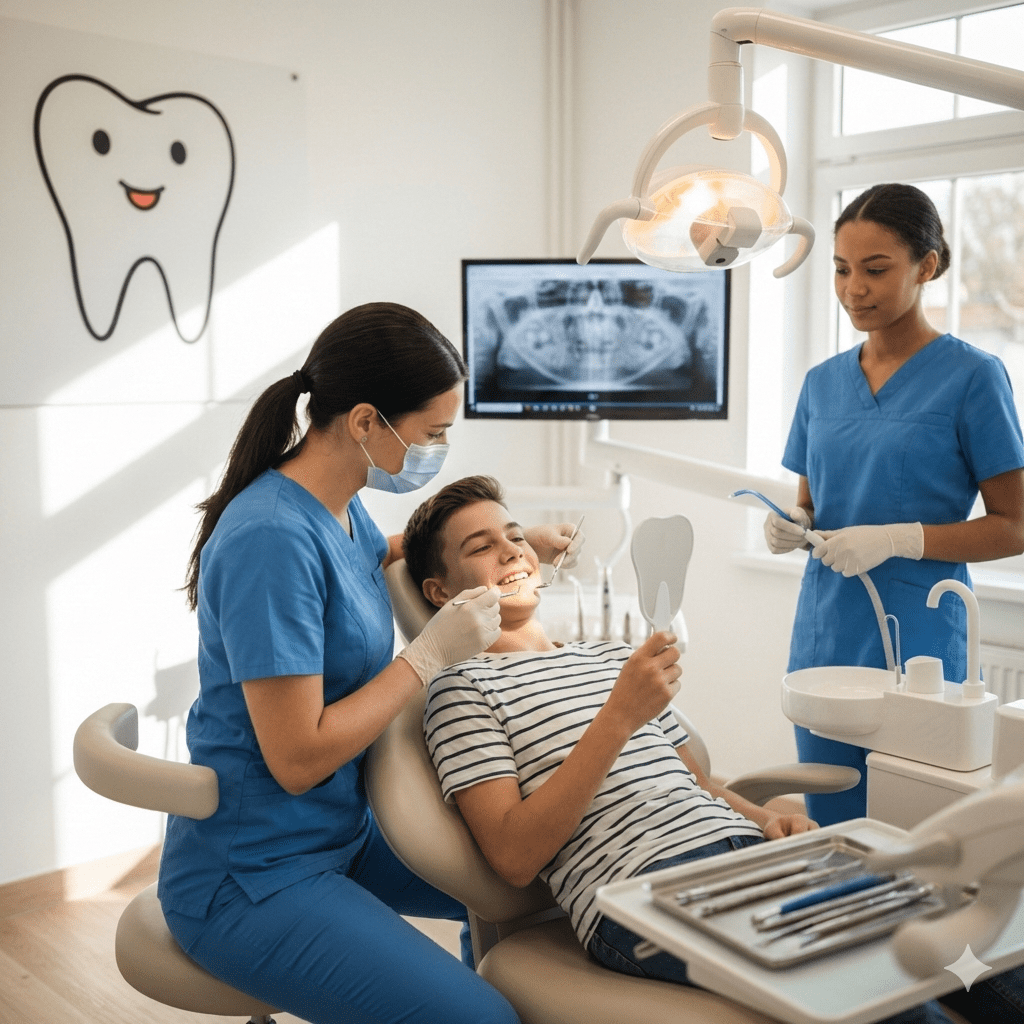
Pediatric dental care focuses on keeping children’s teeth and gums healthy from the very beginning. It’s not just about treating problems but preventing them through regular check-ups, cleanings, and education. Good oral habits started early can set a child up for a lifetime of healthy smiles.
Children’s teeth require special attention as they develop, meaning dental visits should be gentle and tailored to young patients. Comfort and trust during these visits help ease any fears and encourage positive dental experiences that last.
Modern pediatric dentistry offers a variety of friendly options, from fluoride treatments to sealants, designed to protect growing teeth. Families are encouraged to ask questions and work with their dental provider to create personalized care plans for their children.
What Is Pediatric Dental Care?
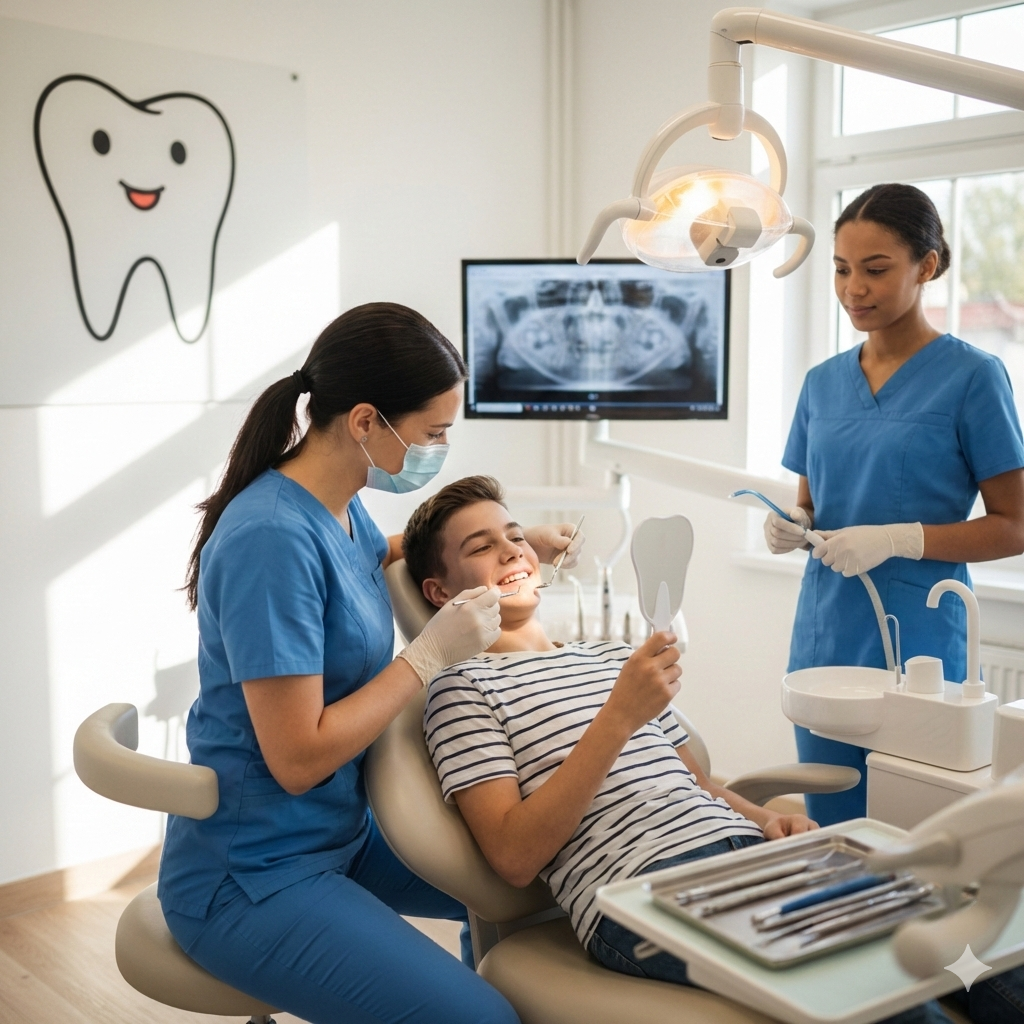
Pediatric dental care focuses on the unique dental needs of infants, children, and teenagers. It involves preventing and treating oral health issues while promoting habits that support lifelong dental wellness. This specialized care takes into account children’s growth stages and behavioral differences compared to adults.
Importance of Early Oral Health
Early oral health lays the groundwork for healthy teeth and gums throughout life. Regular dental visits should start by a child’s first birthday or within six months of their first tooth appearing. These visits help detect issues such as tooth decay or alignment problems before they become serious.
Teaching proper brushing and flossing techniques early is crucial. Dentists also advise on good nutrition, limiting sugary snacks and drinks that contribute to cavities. Establishing a positive dental experience reduces anxiety and encourages consistent care as children grow.
Differences Between Pediatric and Adult Dentistry
Pediatric dentistry adapts dental care to children’s physical and emotional needs. Unlike adults, children’s jaws and teeth are still developing, which requires modified tools and techniques. Pediatric dentists use specialized equipment sized for small mouths.
Behavior management is another key difference. Dentists trained in pediatrics know how to comfort and reassure young patients, making visits less intimidating. Preventive care like sealants and fluoride treatments are common to protect developing teeth, which aren’t typically the focus in adult dentistry.
Common Pediatric Dental Needs
Children face dental challenges distinct from adults. Tooth decay is the most common chronic childhood condition, often caused by prolonged exposure to sugary liquids. Pediatric dentists focus on early detection and minimally invasive treatments to preserve healthy tooth structure.
Other common needs include monitoring growth and tooth eruption to detect issues such as crowding or bite problems. Orthodontic evaluations often begin in the early school years to guide proper jaw development. Regular cleanings, fluoride varnishes, and education on oral hygiene are fundamental parts of care.
Preventive Pediatric Dental Services
Preventive care is the cornerstone of healthy smiles in children. Early attention to dental health can prevent problems before they start, using simple, effective treatments designed specifically for growing teeth.
Regular Dental Checkups for Children
Regular dental visits allow dentists to monitor a child’s oral development and spot potential issues early. The American Academy of Pediatric Dentistry recommends the first dental visit by age one, or within six months after the first tooth erupts.
During checkups, the dentist examines teeth, gums, bite alignment, and oral hygiene habits. These visits also provide an opportunity to educate parents on proper brushing techniques and diet choices that reduce cavity risk. Children can become comfortable with dental care routines, easing fears and building trust.
These appointments usually happen every six months, but the dentist might suggest more frequent visits based on individual needs, such as a history of cavities or orthodontic concerns.
Fluoride Treatments
Fluoride treatments strengthen tooth enamel, making it more resistant to decay. Professional fluoride varnishes or gels are applied during dental visits, especially for children at higher risk of cavities.
Fluoride helps remineralize early decay spots before they become cavities. It’s a safe, painless procedure that takes only minutes. Parents should note that fluoride treatments are part of a larger approach including proper brushing with fluoride toothpaste and limiting sugary snacks.
Children generally receive these treatments two to four times a year, depending on their dental health and the recommendation of their dentist.
Dental Sealants
Dental sealants are thin protective coatings applied to the chewing surfaces of molars. These areas often have grooves where food and bacteria get trapped, making them highly vulnerable to cavities.
Sealants act like a shield, covering these grooves to block out debris and harmful acids. The application is quick, painless, and does not require drilling or anesthesia.
Sealants are usually placed on permanent molars as soon as they come in, around ages 6 and 12. They can last for several years but should be checked regularly for wear or damage during dental visits.
Tips for At-Home Oral Hygiene
Maintaining good oral hygiene at home is key to preventing cavities and keeping a child’s smile healthy. Simple daily practices like proper brushing, choosing the right tools, and flossing can make a big difference in their dental health.
Brushing Techniques for Kids
Children should brush twice daily for two minutes, focusing on all tooth surfaces: front, back, and chewing areas. Using gentle, circular motions helps remove plaque without damaging sensitive gums.
It’s best to start brushing as soon as the first tooth appears. Parents should assist or supervise until kids develop the dexterity to brush properly on their own, usually by age 6 to 8.
Encourage kids to tilt their toothbrush at a 45-degree angle against the gum line. This targets plaque buildup where teeth meet gums, reducing the chance of gum disease early on.
Choosing the Right Toothbrush and Toothpaste
Selecting a toothbrush designed specifically for children improves comfort and effectiveness. Small heads fit better in little mouths, and soft bristles protect delicate gums from irritation.
Electric toothbrushes with timers can motivate kids and ensure they brush long enough. Look for models with gentle vibrations and kid-friendly designs.
Toothpaste with fluoride is essential for strengthening enamel and preventing decay. Use only a pea-sized amount for kids ages 3 and up, and a rice-sized smear for younger toddlers to avoid swallowing large amounts.
Flossing for Children
Flossing removes plaque and trapped food between teeth that brushing can miss. Children should begin flossing as soon as two teeth touch.
Parents can help by gently sliding floss between teeth using a “C” shape to wrap around each tooth. This technique cleans under the gumline without causing pain.
For children who struggle with traditional floss, floss picks or interdental brushes may offer easier alternatives. Regular flossing habits contribute to healthier gums and fresher breath for kids growing into their own oral care routines.
Navigating Your Child’s First Dental Visit
The first dental visit sets the tone for a child’s comfort and future habits. It typically includes a gentle exam, some cleaning, and plenty of opportunities for parents to ask questions. Preparing both child and parent helps the visit run smoothly and reduces fear.
What to Expect During the Appointment
The dentist will start by gently examining your child’s teeth, gums, and mouth to check for decay, alignment, or other concerns. They often use a small mirror and a soft brush to clean teeth, making the experience comfortable.
Routine X-rays are usually not taken during the first visit unless there’s a specific concern. The dentist explains each step in simple terms and encourages the child to sit still, but there’s no rush or pressure.
Parents usually discuss dental habits, diet, and fluoride use with the dentist. They also get advice on preventing cavities and proper brushing techniques suited for young children.
How to Prepare Your Child
It’s best to talk about the dental visit in a positive way without using scary words like “pain” or “shot.” Reading children’s books or watching videos about going to the dentist can help familiarize them with what to expect.
Parents should schedule the appointment for a time when the child is usually well-rested and fed to avoid crankiness. Bringing a favorite toy or blanket can provide extra comfort in the dental chair.
Simple role-playing at home, where the child “plays dentist” with a toothbrush, helps make the real visit less intimidating. Be honest but reassuring about what might happen, emphasizing that the dentist will be gentle.
Easing Dental Anxiety
If a child shows fear during the visit, the dental team uses calming techniques like distraction with cartoons or gentle talking. Some offices offer “tell-show-do,” where the dentist explains and demonstrates tools before using them.
Parents should remain calm and supportive, as children often pick up on their emotions. Praising bravery and offering small rewards after the appointment encourages a positive association.
For children with higher anxiety, dentists might schedule shorter visits at first or allow a parent to hold their hand. Open communication between parent, child, and dentist is key to managing fears effectively.
Common Dental Issues in Children
Children often face a few specific dental challenges that need attention early on. These include problems with decay, gum health, and habits that can change how their teeth grow.
Tooth Decay and Cavities
Tooth decay is one of the most frequent dental problems in children. It happens when sugar from food and drinks interacts with bacteria in the mouth, creating acid that breaks down the tooth enamel. Cavities can form as small holes or pits, often starting on the chewing surfaces or between teeth.
Parents should watch for signs like sensitivity, visible holes, or discoloration. Regular dental check-ups and good oral hygiene—brushing twice daily with fluoride toothpaste and flossing—help prevent decay. Limiting sugary snacks and drinks is also crucial in protecting little teeth.
Gum Disease in Kids
Gum disease in children, often called gingivitis, usually results from plaque buildup along the gum line. Red, swollen, or bleeding gums during brushing are common early signs. If untreated, this can progress to more serious gum issues.
Daily brushing and flossing are key to keeping gums healthy. Sometimes, professional cleanings are needed to remove hard plaque called tartar. Teaching kids proper brushing techniques makes a big difference in preventing and managing gum problems.
Thumb Sucking and Habits That Affect Teeth
Thumb sucking is a natural habit in young children but can affect teeth if it continues beyond age 4 or 5. Persistent pressure can cause the front teeth to shift outward or the roof of the mouth to narrow, leading to bite problems.
Other habits like prolonged pacifier use or tongue thrusting also impact dental development. Parents should encourage children to stop these habits gently. Dental professionals can offer guidance or appliances if a habit is causing noticeable changes to tooth alignment.
Modern Pediatric Dental Treatments
Today’s pediatric dental care focuses on comfort, precision, and early intervention. Children benefit from treatments designed to minimize discomfort while effectively addressing their unique dental needs. Innovative approaches help protect young smiles and support healthy development.
Gentle Fillings and Restorations
Modern fillings for children often use tooth-colored composite resins that blend naturally with their teeth. These materials are durable and require less drilling, which means less discomfort during treatment.
Dentists prioritize gentle techniques such as using numbing gels before injections and distraction methods like video or music. This approach helps ease anxiety, making the visit less stressful for kids.
When restorations are necessary, new bioactive materials that encourage remineralization can be used. These increase tooth strength and help prevent future decay.
Orthodontic Assessments
Orthodontic screenings typically begin around age 7, when the dentist checks jaw growth, tooth alignment, and bite issues. Early identification of problems like crowding or misalignment allows for timely intervention.
Interceptive orthodontics may use expanders or partial braces to guide jaw development. This makes later treatment easier or sometimes unnecessary.
Regular assessments help track a child’s development and plan the best course for any needed orthodontic work. Early discussion with a dental professional ensures parents know when and how treatment will start.
Laser Dentistry for Children
Laser technology offers a less invasive option for many pediatric dental treatments. It can be used to remove decay, reshape gums, or treat soft tissue issues with minimal discomfort.
Because lasers reduce bleeding and swelling, recovery times are often quicker. Plus, children usually find laser treatments less intimidating than traditional drills.
Laser dentistry also decreases the need for anesthesia in some cases, promoting a more positive experience. Parents appreciate the precision and gentleness lasers bring to kids’ dental care.
Diet and Nutrition for Healthy Smiles
Healthy teeth start with good eating habits. Choosing the right foods and drinks helps protect children’s teeth from decay and supports overall oral health.
Sugary Snacks and Tooth Decay
Sugar is the main cause of tooth decay in kids. When they eat sugary snacks, bacteria in the mouth turn sugar into acid. This acid attacks tooth enamel, leading to cavities.
Sticky sweets like gummies and lollipops tend to stay on teeth longer, increasing decay risk. Frequent snacking can also keep acid levels high throughout the day. Limiting sugary treats to special occasions or mealtimes helps reduce harm.
Parents should encourage healthier alternatives and teach children to brush their teeth after eating sweets. This simple step can significantly cut decay risks.
Tooth-Friendly Foods
Certain foods help strengthen teeth and keep gums healthy. Dairy products like cheese, yogurt, and milk are rich in calcium and phosphate, which rebuild enamel. Crunchy fruits and vegetables, such as apples and carrots, stimulate saliva flow, which naturally cleans teeth and neutralizes acids.
Foods high in fiber and vitamins support gum health and overall oral hygiene. Lean proteins like chicken and eggs also provide essential nutrients for strong teeth.
Incorporating these foods into daily meals creates a balanced diet that supports long-lasting dental health.
Hydration and Oral Health
Drinking water has a direct impact on oral health. It helps wash away food particles and bacteria from the mouth. Fluoridated water strengthens tooth enamel and reduces the likelihood of cavities.
Kids should avoid sugary drinks and sodas, which increase acid production and decay risk. Encouraging plain water between meals is the best habit.
Hydrating well also supports saliva production, essential for protecting teeth and gums from harmful bacteria.
Teaching Good Oral Habits Early
Starting good oral habits early sets the foundation for a lifetime of healthy teeth. Parents and caregivers play a key role in guiding children through basic routines like brushing and flossing.
Consistency matters. Brushing twice a day with a child-friendly toothbrush helps remove plaque and prevent cavities. Using fluoride toothpaste strengthens tooth enamel. Children benefit from supervision until they develop the skill to brush effectively on their own, usually around age 7 or 8.
Avoiding sugary snacks and drinks between meals reduces the risk of tooth decay. Drinking water, especially fluoridated water, supports oral health by washing away food particles and neutralizing acids.
Establishing a positive dental routine can be fun and rewarding. Parents can encourage kids by:
- Picking colorful toothbrushes
- Brushing together as a family
- Using timers or songs to make brushing last the full two minutes
Regular dental visits starting by the first birthday allow professionals to monitor growth and reinforce good habits with gentle guidance. Preventive care early on often means fewer dental problems later.
Teaching children why oral health matters helps them feel empowered. Sharing simple facts about teeth and gums builds understanding and confidence. Encouragement and praise go a long way in making oral hygiene a normal part of daily life.
Choosing the Right Pediatric Dentist
Finding the right dentist for a child goes beyond basic credentials. It’s about ensuring comfort, trust, and comprehensive care tailored to young patients’ needs. This involves understanding both the professional qualifications and the ability to create a welcoming environment.
Qualifications to Look For
A qualified pediatric dentist completes specialized training beyond dental school, focusing on children’s dental health. They earn a pediatric dentistry residency, which emphasizes growth, development, and specialized treatment techniques for kids.
Look for board certification from the American Board of Pediatric Dentistry or an equivalent official credential. This assures the dentist adheres to strict standards and keeps current with advancements.
In addition, the dentist should be experienced with common childhood concerns like tooth decay, early orthodontic assessments, and managing dental anxiety. Facilities equipped with child-friendly tools and sedation options are also key.
Creating a Positive Dental Experience
Pediatric dentists must be patient and gentle, using language kids understand. They design office spaces with bright colors, toys, or interactive elements to reduce fear.
Techniques like “tell-show-do,” where the dentist explains and demonstrates before treatment, build trust. Staff trained in calming anxious children and parents also contribute.
Positive early visits encourage lifelong good habits and reduce fear of dental care. Parents should find a dentist who welcomes questions and involves them in treatment decisions actively.
When to Seek Emergency Pediatric Dental Care
Knowing when a child’s dental issue requires immediate attention can protect their smile and prevent pain from worsening. Recognizing clear signs of an emergency and understanding quick actions to take helps parents respond calmly and effectively.
Signs of a Dental Emergency
Look for persistent bleeding that doesn’t slow after 10 minutes or bright red blood pooling, which indicates a serious injury. Intense tooth pain that stops the child from eating or sleeping is another clear red flag.
Other signs include a knocked-out tooth, which requires urgent attention to increase the chance of saving it. If the child has a visible cut inside the mouth or on the lips that won’t stop bleeding, an emergency visit is necessary. Sudden swelling of the face or gums, especially when accompanied by fever, can signal an infection needing prompt care.
Immediate Steps to Take
When a tooth is knocked out, gently rinse it with water—do not scrub. Try to place the tooth back into the socket if possible, or store it in milk or a tooth preservation solution. Quick action greatly improves the likelihood of successful reattachment.
For bleeding, apply firm pressure with a clean cloth or gauze. Use a cold compress on the outside of the mouth to reduce swelling. Avoid giving the child aspirin; use pain relievers recommended for children only after consulting a healthcare professional.
If swelling or signs of infection appear, seek dental care immediately to prevent the problem from worsening. Prompt treatment minimizes discomfort and complications.
Long-Term Benefits of Pediatric Dental Care
Early dental visits help children develop good habits that last a lifetime. Regular check-ups prevent cavities and catch problems before they become serious, making future treatments easier and less stressful.
Healthy baby teeth guide adult teeth into the right spots. This reduces the need for braces or other orthodontic work later on. Plus, strong teeth support proper speech development and chewing.
Key benefits include:
- Reduced risk of tooth decay and gum disease
- Better oral hygiene habits
- Improved self-confidence with a healthy smile
- Early detection of issues such as misaligned teeth or bite problems
Pediatric dental care also teaches kids about comfort and safety at the dentist. When children feel calm and supported during visits, they’re more likely to continue good dental practices as they grow.
Using gentle techniques and child-friendly tools helps create positive experiences. This sets the stage for a lifetime of healthy smiles and fewer dental emergencies.
If any concerns arise, parents should talk with their child’s dentist. Early intervention often means simpler solutions and a smoother path to adult dental health.
Encouraging Lifelong Healthy Smiles
Teaching children good dental habits early sets the stage for a lifetime of healthy smiles. Regular brushing and flossing, paired with balanced nutrition, helps prevent common problems like cavities and gum disease.
Parents play a key role by making dental care part of daily routines. Using fun toothbrushes or singing songs during brushing can make the process enjoyable for kids. Positive reinforcement and gentle reminders help build confidence and consistency.
Dental visits should be framed as friendly, not fearful. Pediatric dentists focus on comfort and education, using modern tools to make check-ups stress-free. Early, routine visits also allow for the detection and management of developing dental issues.
| Healthy Habits for Kids | Tips for Parents |
|---|---|
| Brush twice daily | Use timers or apps to track |
| Floss once daily | Supervise until age 8-10 |
| Eat fewer sugary snacks | Choose tooth-friendly snacks |
By fostering these habits, children grow into adults who understand the importance of oral health. Staying proactive with dental care means fewer problems and more smiles that last.
If questions arise about caring for your child’s teeth, consulting a pediatric dental expert can provide personalized advice and reassurance.
Frequently Asked Questions
Healthy habits start early, and knowing when and how to care for a child’s teeth can make all the difference. Comfort, prevention, and understanding the role of baby teeth shape the best approach to pediatric dental care.
What’s the right age for a child’s first dental visit?
A child’s first dental visit should happen by their first birthday or within six months after the first tooth appears. Early visits help monitor growth and introduce the child to dental care in a positive way.
How can I help my child feel comfortable during dental check-ups?
Preparation is key. Parents can read books about the dentist, use calm language, and bring a favorite toy to help the child feel safe and relaxed during appointments.
What are the best ways to prevent cavities in young children?
Daily brushing with a fluoride toothpaste twice a day and limiting sugary snacks are essential. Regular dental cleanings and fluoride treatments can further protect little teeth.
Can you explain the importance of baby teeth for long-term oral health?
Baby teeth hold space for permanent teeth, aid in chewing, and support clear speech development. Losing them too early can lead to alignment problems and bite issues later on.
What should I do if my child is anxious about dental procedures?
Gentle reassurance and distraction techniques like storytelling or music help ease anxiety. Dentists also use child-friendly approaches and sometimes sedation for more extensive care.
How often should my child have dental X-rays taken?
Dental X-rays are usually recommended once a year or as needed based on risk assessment. They help detect issues like cavities or growth problems that are not visible during regular exams.